A Franco-Indian Edition for the Year of Innovation: Anil Padia of Yoshita 1967 Named EU Finalist
France and India have long shared a conversation about creativity, craftsmanship, and responsibility. In 2026, that conversation takes a new and pressing form: a special Franco-Indian edition of the R|Elan™ Circular Design Challenge (CDC). Organized by Reliance Industries Limited, the United Nations in India, and Lakmē Fashion Week, in partnership with the Fédération de la Haute Couture et de la Mode (FHCM), the initiative is supported by the French Institute in India and the Embassy of France in India as part of the India-France Year of Innovation 2026.
Within this framework, it represents one of the French Institute in India’s most significant cultural engagements of the year, reflecting our commitment to supporting projects at the intersection of culture, sustainability, and innovation.
About the Challenge
Originating in India and developed in collaboration with the United Nations in India and Lakmē Fashion Week, the R|Elan™ Circular Design Challenge has emerged as an international platform supporting young designers and entrepreneurs in India and globally who work at the intersection of fashion, sustainability, and innovation. By encouraging circular design practices across the fashion and textile value chain, the initiative nurtures new generations of designers committed to responsible and forward-looking approaches.
The 2026 edition builds on this legacy, inviting designers from India, France, and across Europe to reimagine what it means to create responsibly. This marks the first time the challenge has extended to Europe, with a dedicated European track co-led by FHCM. The European design community’s response was immediate: 18 applications were received from across the EU, 7 of them from France, a testament to the vitality of France’s sustainable design community and the resonance of this programme. It is a clear signal that French designers are not just engaged with circular thinking, they are leading it.
The European Semifinalists
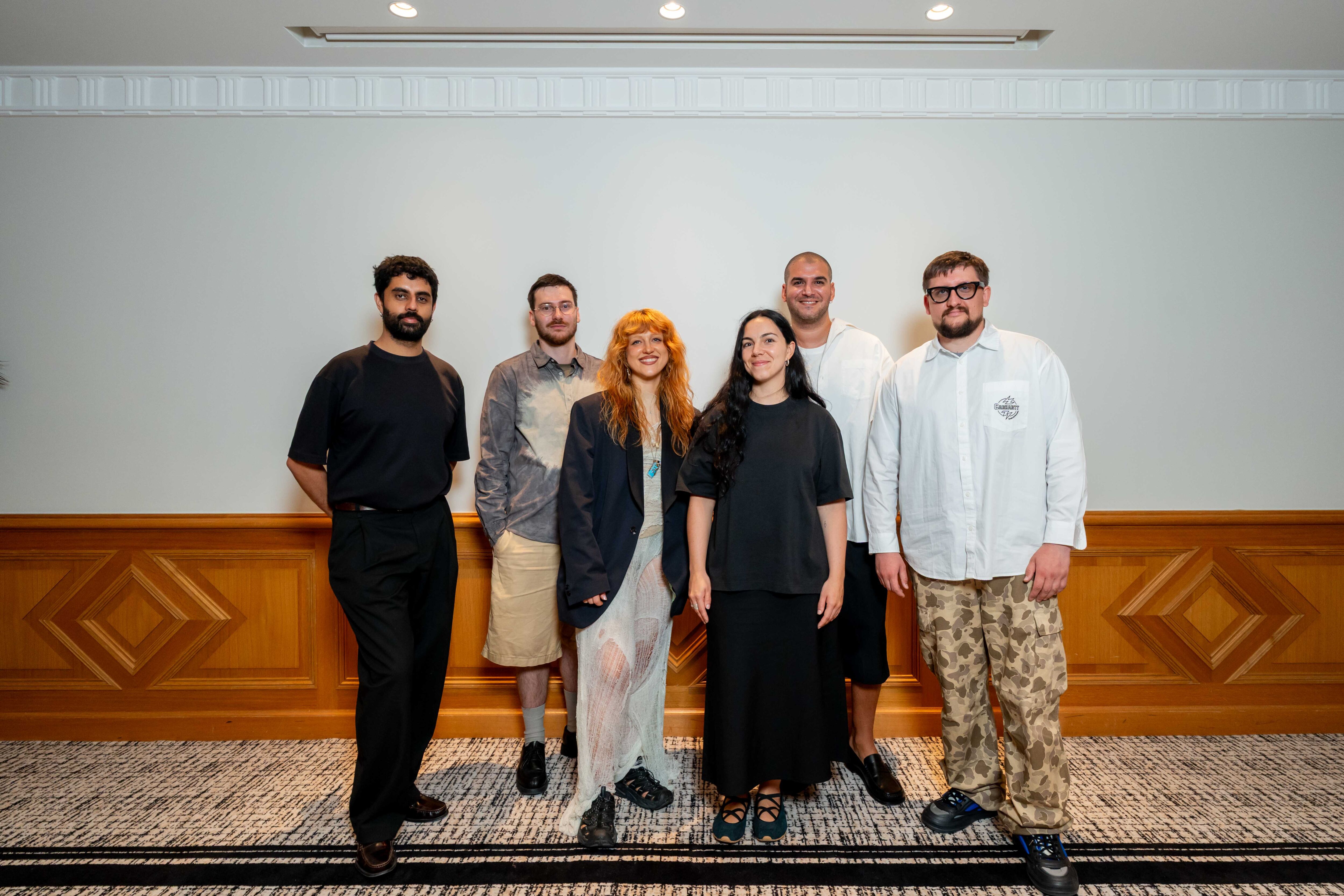
As part of the first phase of the challenge, six European semifinalists were selected for this edition, three of whom are French designers:

Flora Rabbiti (Italy)
Her brand, Florania, reimagines the future through a regenerative design philosophy rooted in resourcefulness, innovation, and craftsmanship. Combining Italian sartorial expertise with material research, the brand transforms deadstock textiles, discarded garments, and industrial waste into contemporary pieces that challenge conventional ideas of value and production.
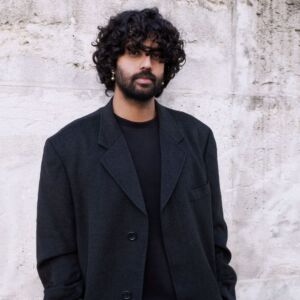
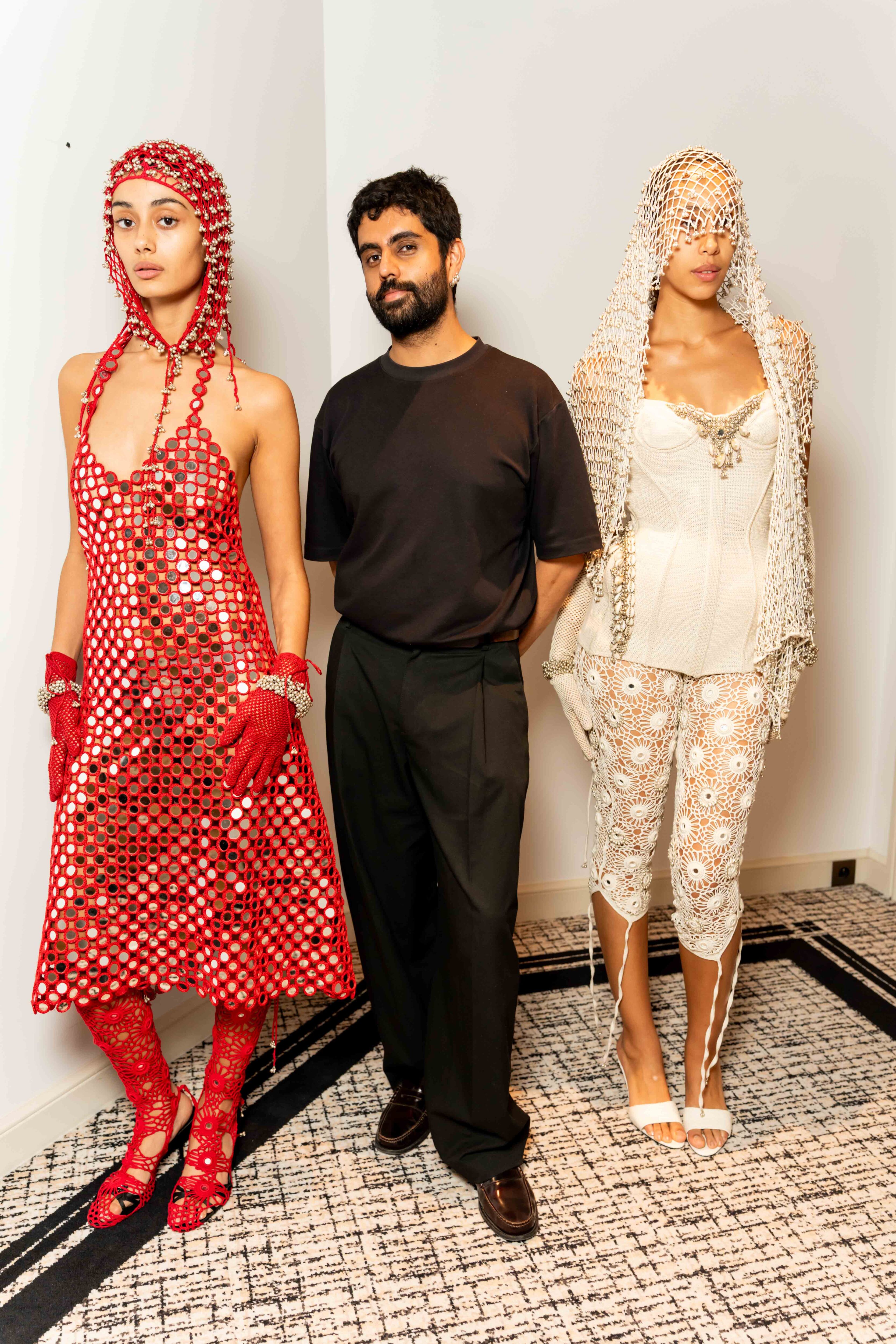
Anil Padia (France)
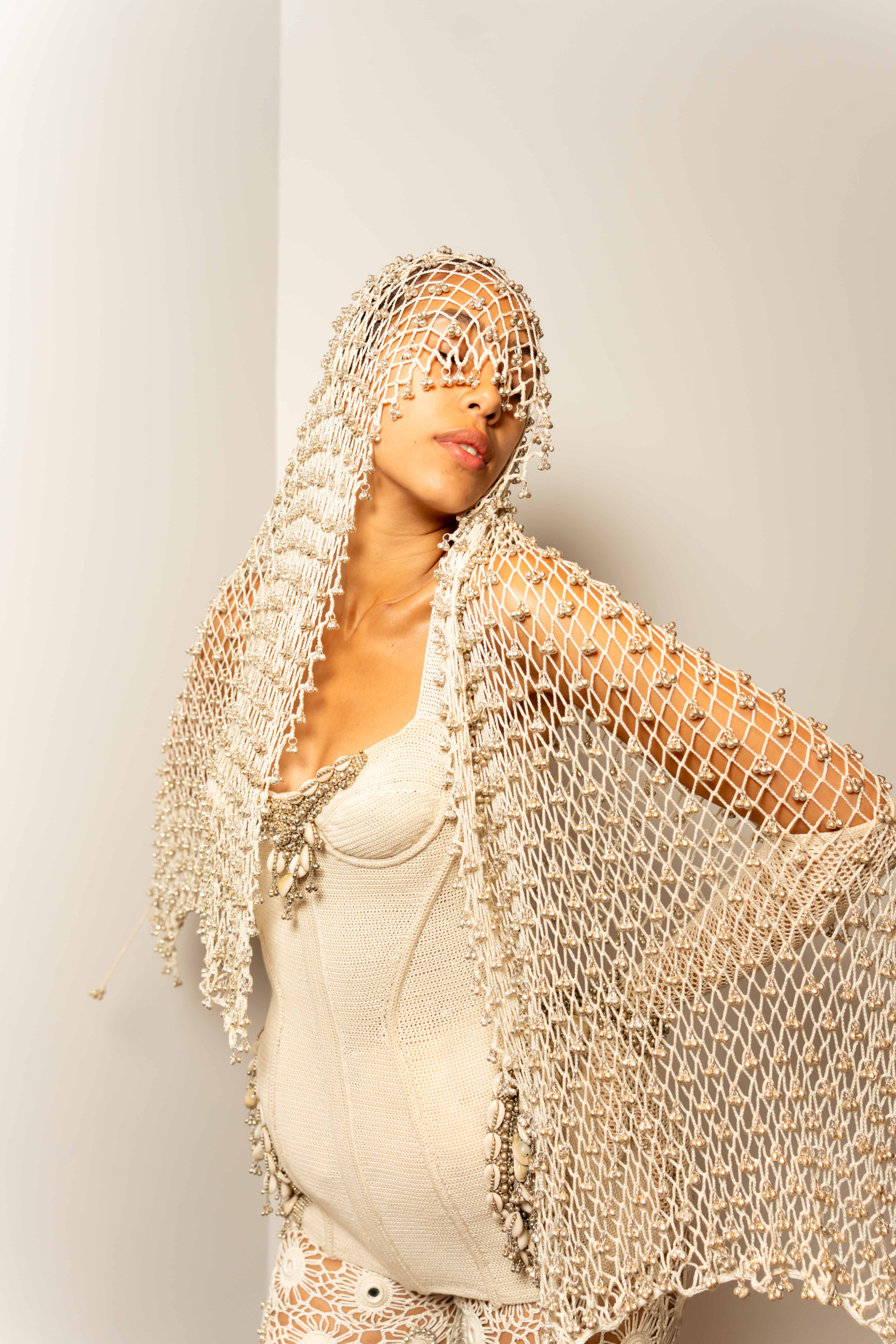
Founder of Yoshita 1967, a label operating across Paris, Nairobi, and Delhi, built on the belief that circularity begins with people, not only products. Rooted in a Kenyan-Indian perspective, the work examines identity, hybridity, and inherited memory through womenswear that combines handmade construction and embellishment with the recontextualization of traditional techniques. In a challenge celebrating the Franco-Indian creative relationship, Yoshita 1967’s triangular geography of Paris, Nairobi, and Delhi speaks directly to what that relationship can mean beyond borders.
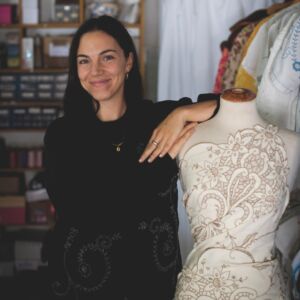
Joana Duarte (Portugal)
Her brand, BÉHEN, explores how craftsmanship is not a relic of the past but a powerful design language for the future. The brand brings together antique textiles, upcycled garments, deadstock materials, and natural fibres to create pieces rich in story and purpose. By designing for durability, repair, and continued reuse, the brand continues to challenge disposable models of consumption.

Matthieu Ruiz (France)
A Paris-based designer originally from eastern France, Ruiz works at the intersection of artisanal dyeing and contemporary fashion. His garments are made from organic cotton produced in India, dyed using 100% natural plant-based techniques in his atelier in eastern France, and certified GOTS, FairWear, and PETA. His practice is one of the most coherent circular propositions in French fashion today, and perhaps the most literal embodiment of the France-India creative link in this entire cohort.

Dmytro Hontarenko (Germany/Ukraine)
His brand, PLN-GNS, challenges conventional notions of waste by treating discarded sneakers and fashion industry leftovers as the starting point for new forms of design and culture. Operating between material recovery in Ukraine and design and production in Berlin, the brand transforms secondary raw materials into experimental, genderless streetwear while building a circular ecosystem around repair, resale, buy-back, and disassembly.

Iman Coccellato (France)
An Institut Français de la Mode graduate trained at Chloé, Jean Paul Gaultier, and Lanvin, Coccellato runs an eponymous Paris label working with deadstock luxury fabrics and artisanal embroidery. His work is rooted in timelessness: garments conceived as extensions of the women who wear them, designed to outlast trends and resist the logic of disposability.
The Paris Jury
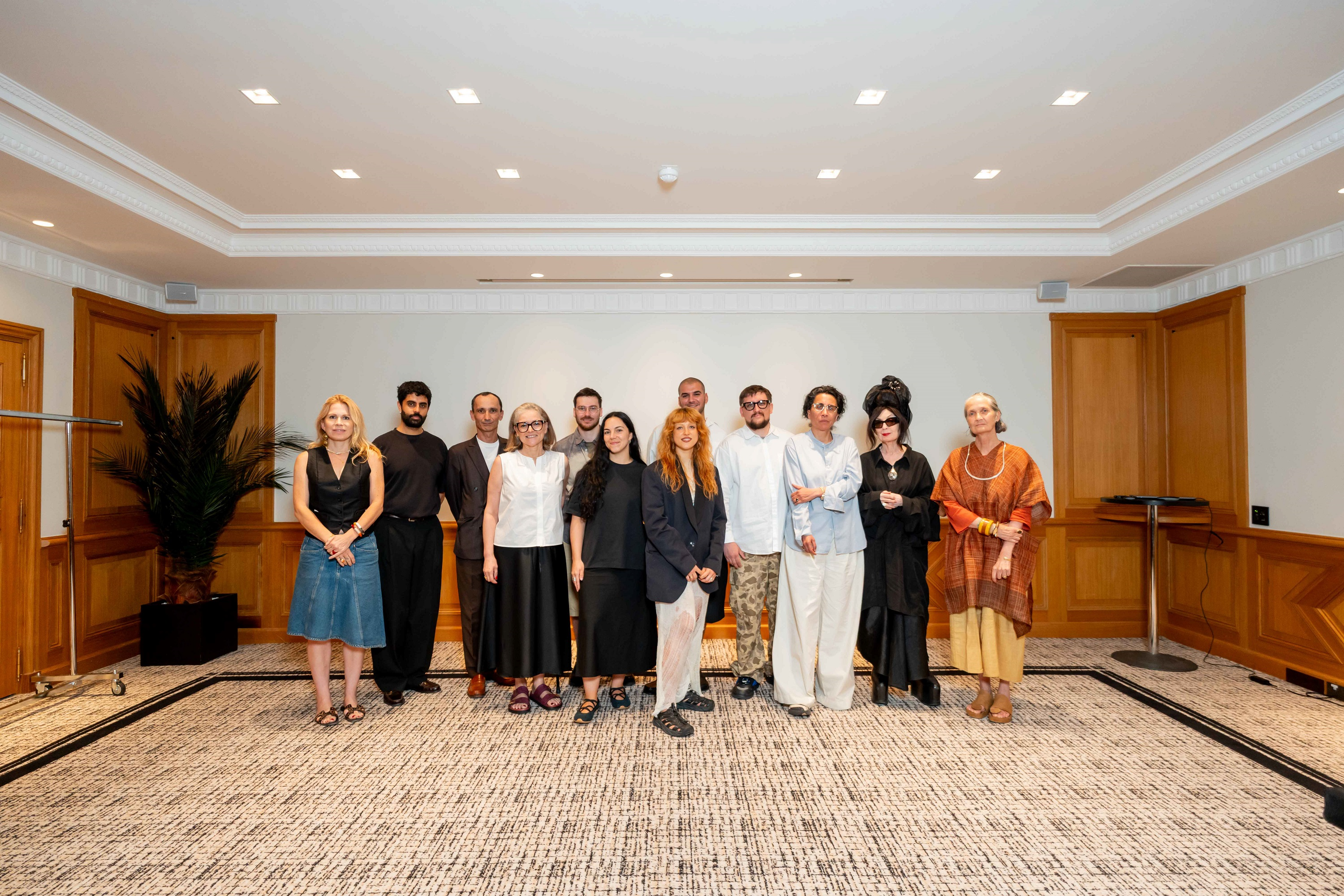
The European regional jury convened in Paris on 5 July 2026, in close collaboration with the Fédération de la Haute Couture et de la Mode (FHCM), institutional partner for this edition.
The jury brought together a prestigious panel of leading figures from fashion, luxury, and sustainability:
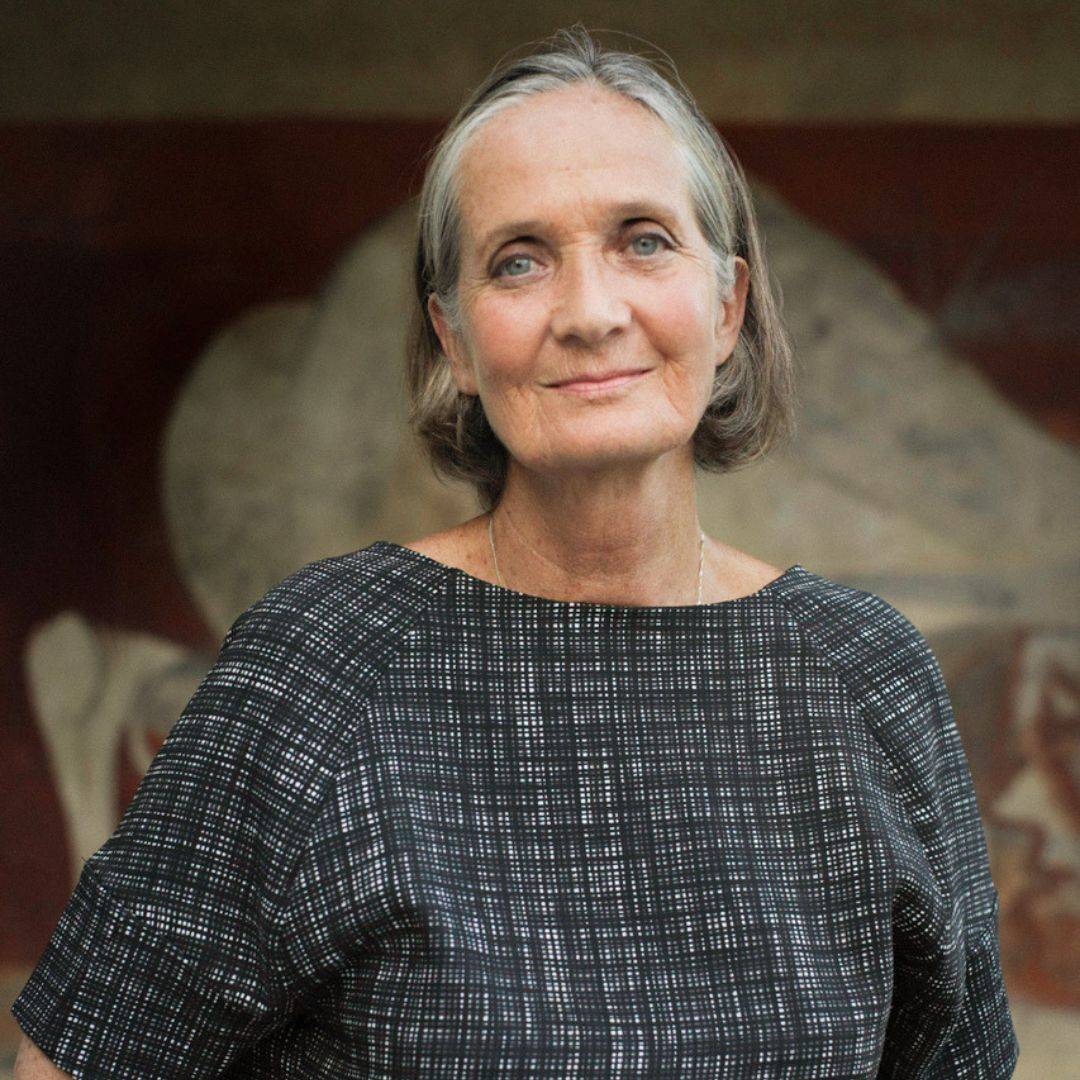
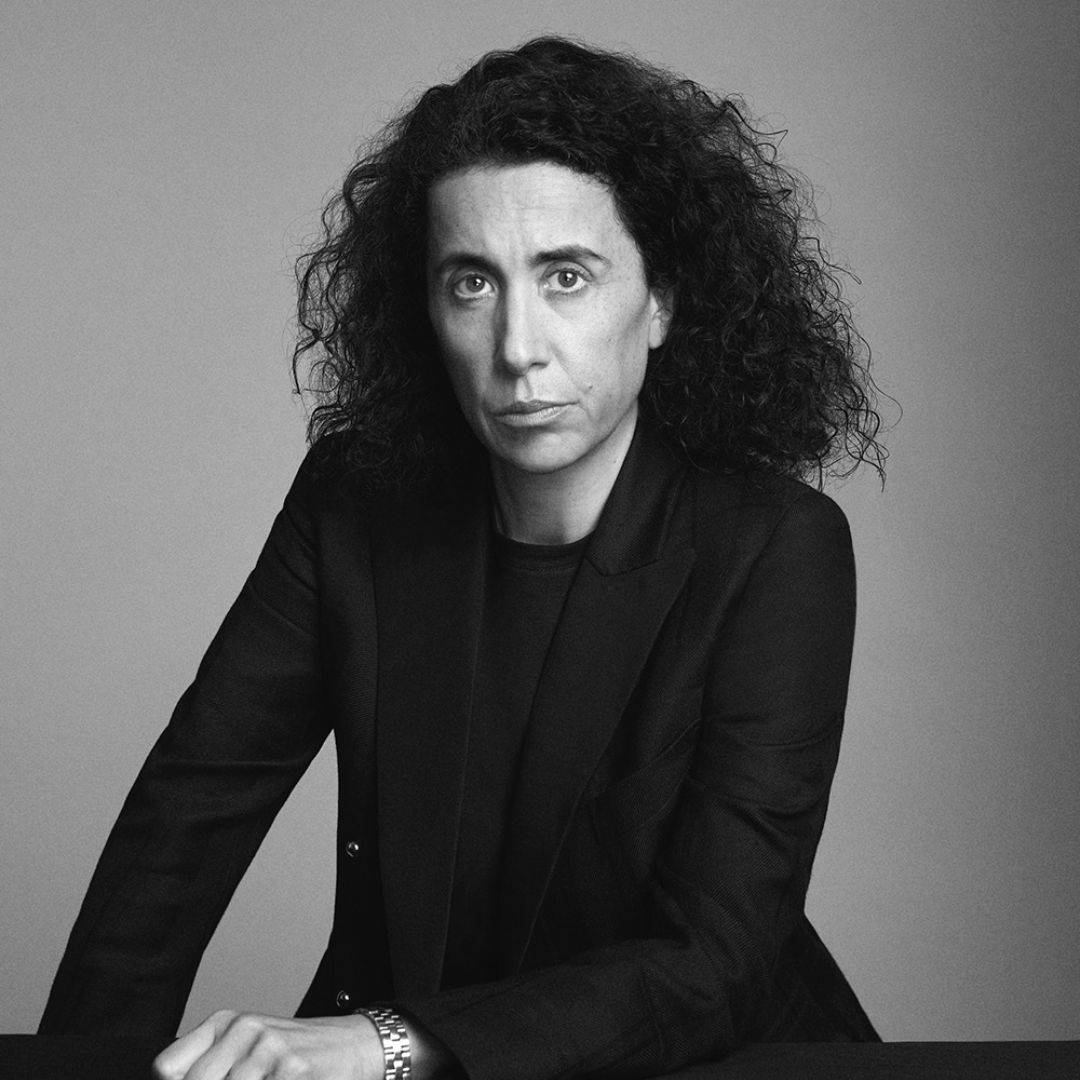
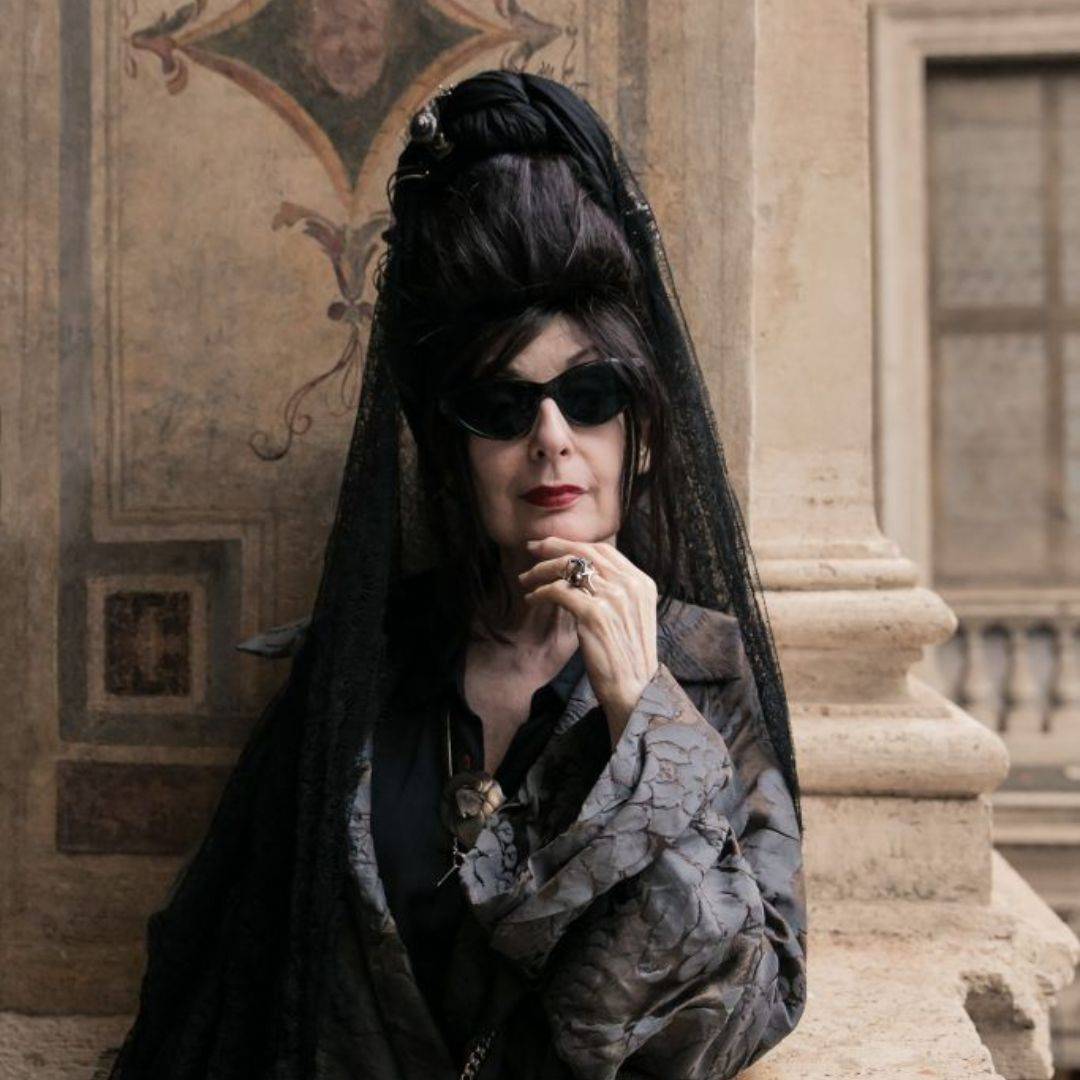

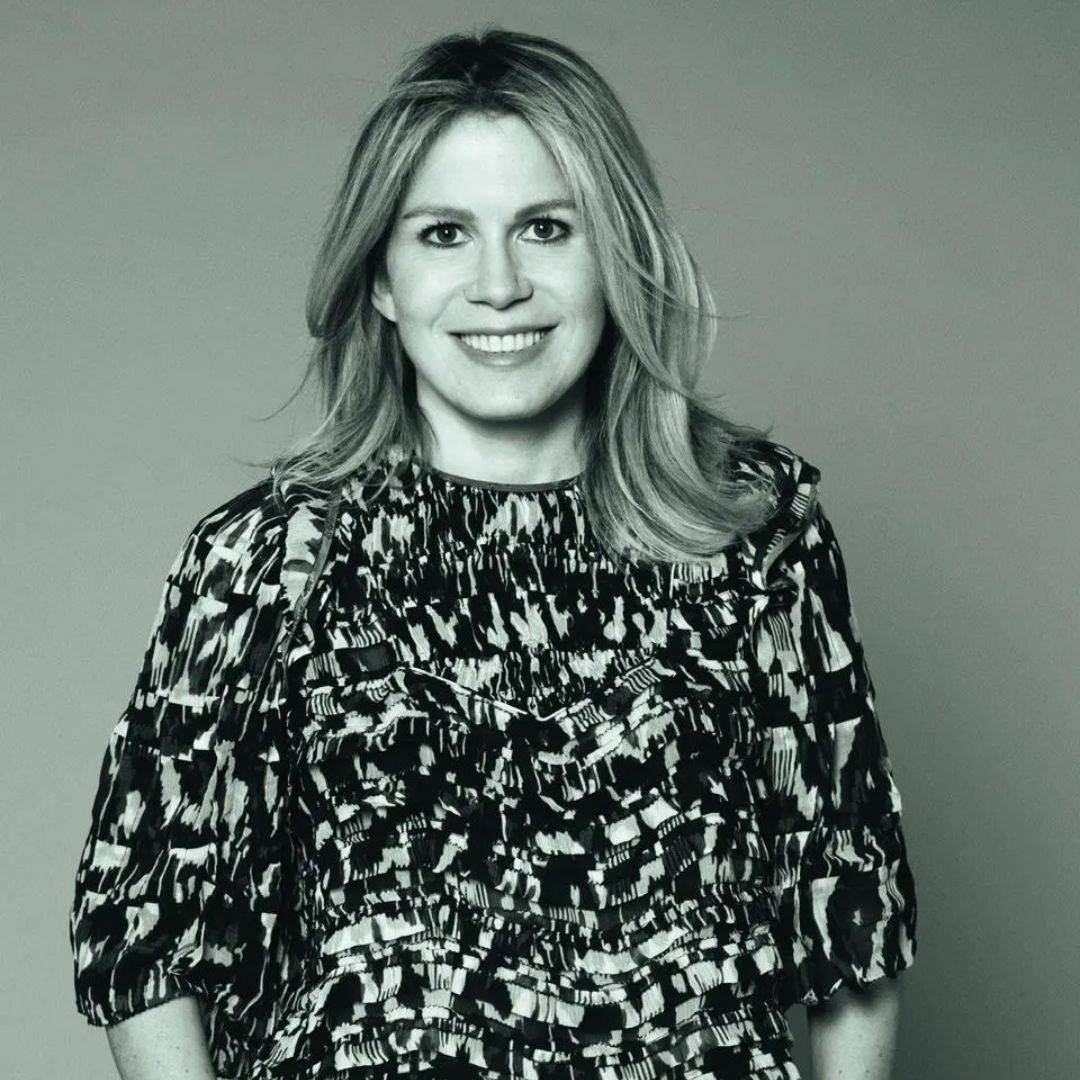
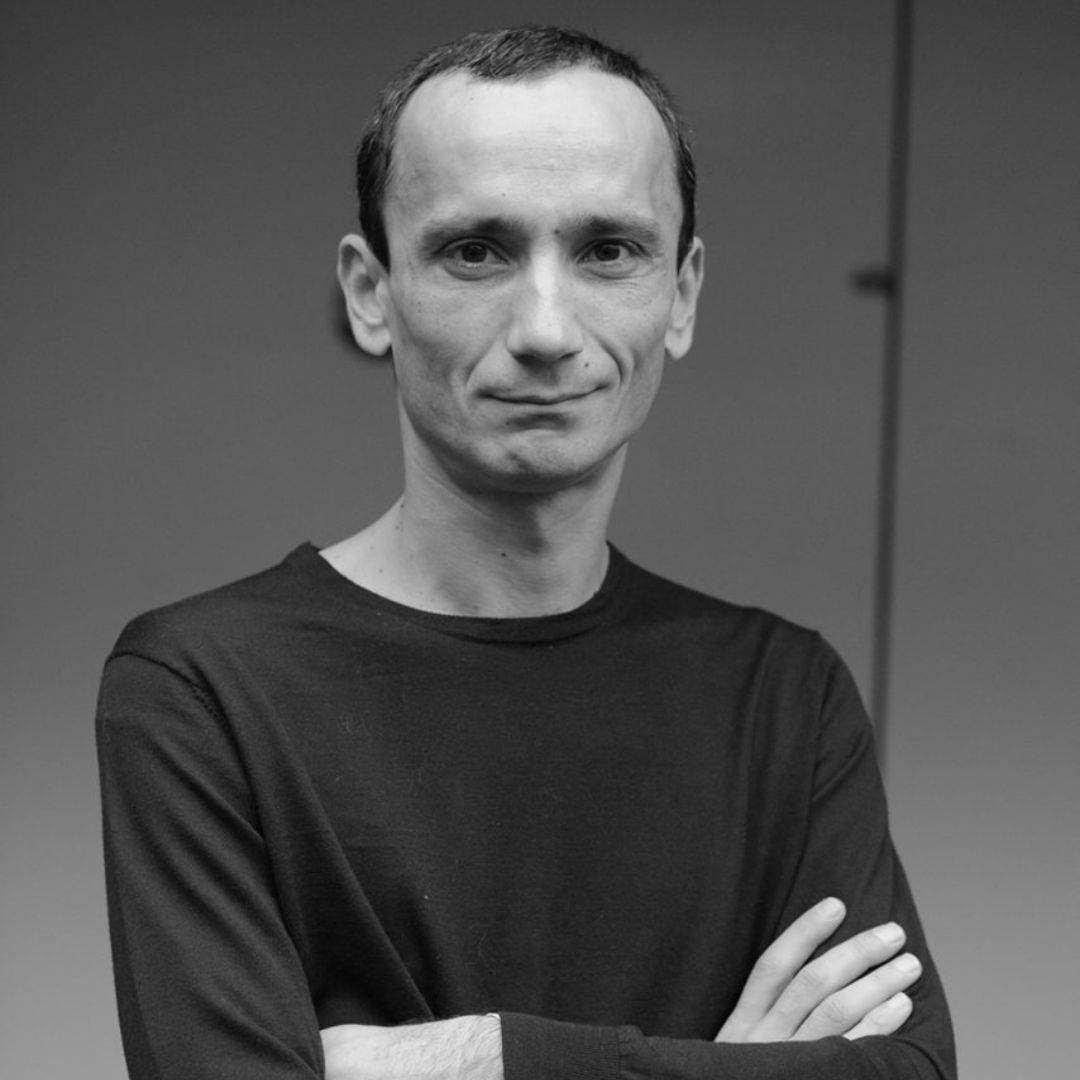


The panel reflected the full scope of what sustainable fashion must engage with today: editorial vision, creative excellence, luxury craftsmanship, and rigorous sustainability thinking.